Why Roof Ventilation Matters
Roof ventilation allows hot, moist air to escape from the attic while drawing in cooler air from outside. In Temple, TX, where summer heat is intense and storms bring humidity, proper ventilation is essential for protecting both the roof system and the home below.
When ventilation is inadequate, heat and moisture build up. Over time, this stresses roofing materials, reduces energy efficiency, and increases the risk of hidden damage.
How Poor Ventilation Affects Your Roof
A roof is designed to work as a system. Shingles, underlayment, decking, insulation, and ventilation must function together. When airflow is restricted, problems develop even if shingles look fine from the outside.
Poor ventilation can cause:
- Excessive attic heat
- Moisture accumulation
- Premature shingle aging
- Reduced insulation performance
These issues often go unnoticed until damage becomes visible.
Common Interior Signs of Poor Ventilation
Homeowners often notice symptoms inside the home before realizing the roof ventilation is the issue.
Watch for:
- Rooms that feel hotter than others
- High cooling costs during summer
- Musty odors in upper floors or attic
- Condensation on attic surfaces
- Mold or mildew near ceiling areas
These signs often point to trapped heat and moisture above the living space.
Exterior Signs on the Roof
Poor ventilation also leaves clues on the roof itself.
Exterior indicators may include:
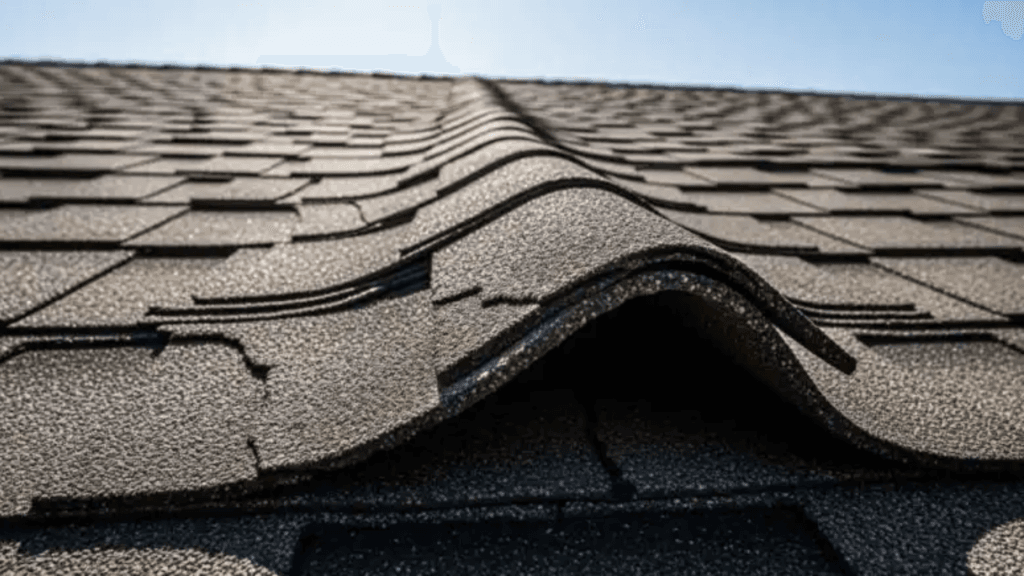
- Shingles that curl or blister
- Cracked or brittle shingles
- Excessive granule loss
- Discoloration or uneven aging
- Ice dam damage in colder months
These problems often appear earlier than expected when airflow is restricted.
How Texas Heat Makes Ventilation More Important
Texas heat amplifies the effects of poor ventilation. Attic temperatures can exceed outdoor temperatures by a wide margin, especially during peak summer months.
Heat related issues include:
- Accelerated shingle deterioration
- Increased strain on HVAC systems
- Higher indoor humidity levels
- Shortened roof lifespan
In Temple TX, ventilation is not optional. It is a critical part of roof performance.
Moisture Problems Caused by Poor Ventilation
Moisture is just as damaging as heat. Without proper airflow, moisture from daily activities like cooking and bathing becomes trapped in the attic.
Moisture related risks include:
- Mold growth on decking and framing
- Wood rot in roof structures
- Insulation saturation
- Reduced indoor air quality
These problems can develop even without visible roof leaks.
Why Poor Ventilation Raises Energy Costs
When hot air is trapped in the attic, it transfers heat into the living space. This forces air conditioning systems to work harder and longer.
Homeowners may notice:
- Rising summer energy bills
- Uneven indoor temperatures
- HVAC systems cycling more frequently
Improving ventilation often leads to noticeable energy savings.
Types of Roof Ventilation Systems
Proper ventilation usually involves a balance of intake and exhaust vents.
Common components include:
- Soffit vents for intake air
- Ridge vents for exhaust
- Roof vents or box vents
- Gable vents in some designs
A balanced system allows continuous airflow through the attic space.
Why Ventilation Is Often Overlooked
Ventilation problems are frequently missed because they are not visible from the ground. Many homeowners focus on shingles and overlook airflow entirely.
Ventilation issues often arise from:
- Older roof designs
- Improper installation
- Blocked soffit vents
- Insufficient exhaust capacity
A professional inspection is the best way to identify deficiencies.
How T2K Roofing Evaluates Ventilation
T2K Roofing evaluates ventilation as part of a complete roof inspection for Temple TX homeowners. We look at both intake and exhaust to determine whether airflow is balanced and effective.
We help homeowners by:
- Identifying ventilation shortfalls
- Explaining how airflow affects roof health
- Recommending practical solutions
- Improving long term roof performance
Our approach focuses on prevention and education.
Addressing Ventilation Issues Early
Correcting ventilation problems early can prevent larger roofing and structural issues.
Benefits of timely correction include:
- Longer roof lifespan
- Lower energy costs
- Reduced moisture risk
- Improved indoor comfort
Ventilation improvements are often simpler and more affordable than homeowners expect.


