Understanding Hidden Roof Leaks
Many homeowners in Temple, TX assume that if shingles look intact, the roof must be doing its job. In reality, some of the most serious roof leaks begin out of sight. Water often enters through small vulnerabilities and spreads quietly before damage becomes visible inside the home.
Central Texas weather plays a major role. High heat, wind driven rain, and seasonal storms put stress on roofing systems year after year. Even well installed roofs can develop weak points over time that allow moisture intrusion without clear exterior warning signs.
How Water Enters a Roof Without Obvious Damage
A roof is a system made up of multiple layers and components. Shingles are only one part of that system. When other components fail, water can bypass the shingles entirely.
Common hidden entry points include:
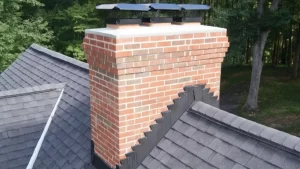
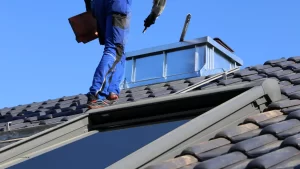
- Flashing around chimneys, vents, and skylights
- Sealant breakdown near roof penetrations
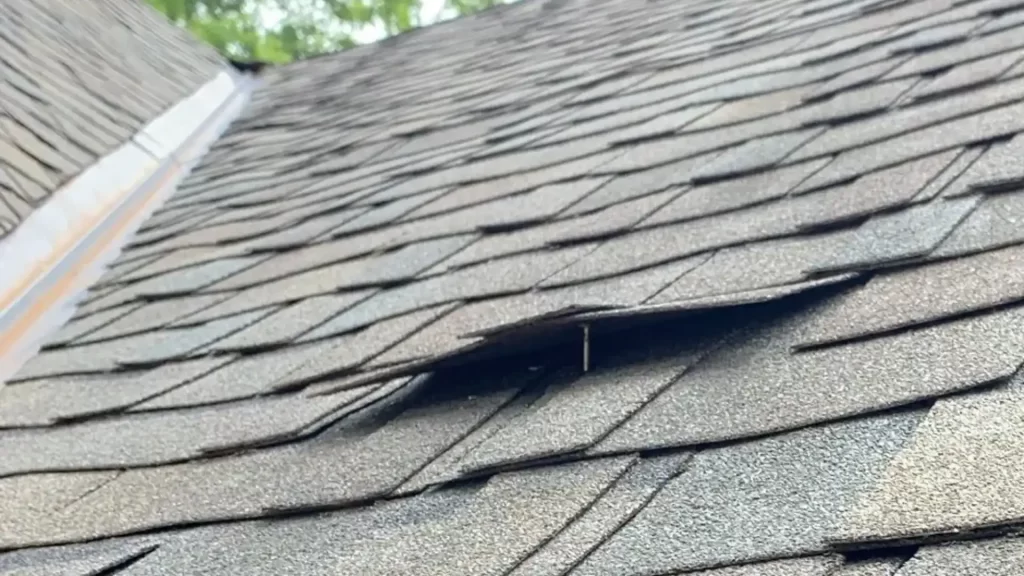
- Nail pops beneath the shingle surface
- Aging or damaged underlayment
- Valleys where roof slopes meet
Water can travel along decking or framing before appearing indoors, which makes leaks difficult to trace.
Why These Leaks Are Hard to Detect
Roof leaks do not always show up directly below the source. Water may move along rafters or insulation and surface in a completely different area of the home.
Factors that delay detection include:
- Insulation absorbing moisture
- Slow leaks that dry between storms
- Condensation mistaken for humidity
- Water trapped inside wall cavities
Because of this, leaks can go unnoticed for months.
Interior Warning Signs to Watch For
Even without visible roof damage, your home may show subtle signs of a problem.
Watch for:
- Faint ceiling or wall discoloration
- Musty odors in upper rooms or attic
- Peeling paint or bubbling drywall
- Mold or mildew near ceiling edges
- Unexplained indoor humidity
Any of these signs should be investigated promptly.
How Temple TX Weather Contributes
Homes in Temple face intense sun, sudden storms, and strong winds. These conditions accelerate material wear and increase the risk of hidden leaks.
Weather related contributors include:
- Wind lifting shingles and breaking seals
- Heat causing expansion and contraction
- Prolonged rain saturating weak areas
- Storm debris impacting flashing
Over time, these stresses compromise water resistance without immediate visual damage.
Why Small Leaks Become Big Problems
Even minor leaks can lead to serious consequences if ignored.
Potential outcomes include:
- Rotting roof decking
- Mold growth affecting air quality
- Insulation damage
- Higher energy costs
- Structural repairs
Early detection is always less expensive than reactive repairs.
When to Schedule a Roof Inspection
A professional inspection is recommended if you notice moisture issues or after severe weather.
Inspection is especially important when:
- The roof is over 15 years old
- A major storm has passed through
- Interior moisture appears unexpectedly
- You are buying or selling a home
A trained roofer can identify issues before they escalate.
How T2K Roofing Helps Temple Homeowners
At T2K Roofing, we specialize in identifying hidden roofing issues before they cause serious damage. Our inspections focus on the entire roofing system, not just the shingle surface.
We help homeowners by:
- Identifying hidden moisture pathways
- Inspecting flashing and underlayment
- Evaluating ventilation performance
- Providing clear recommendations
Our goal is to protect your home and prevent avoidable repairs.
Protecting Your Home From Hidden Water Damage
Prevention starts with awareness and routine care.
Helpful steps include:
- Annual roof inspections
- Clearing debris and gutters
- Monitoring attic ventilation
- Acting quickly after storms
Proactive maintenance helps extend roof life and prevent leaks.